
Finals Rounds
Where the best mathematicians grow exponentially
Codebreaker
Personal Endeavour
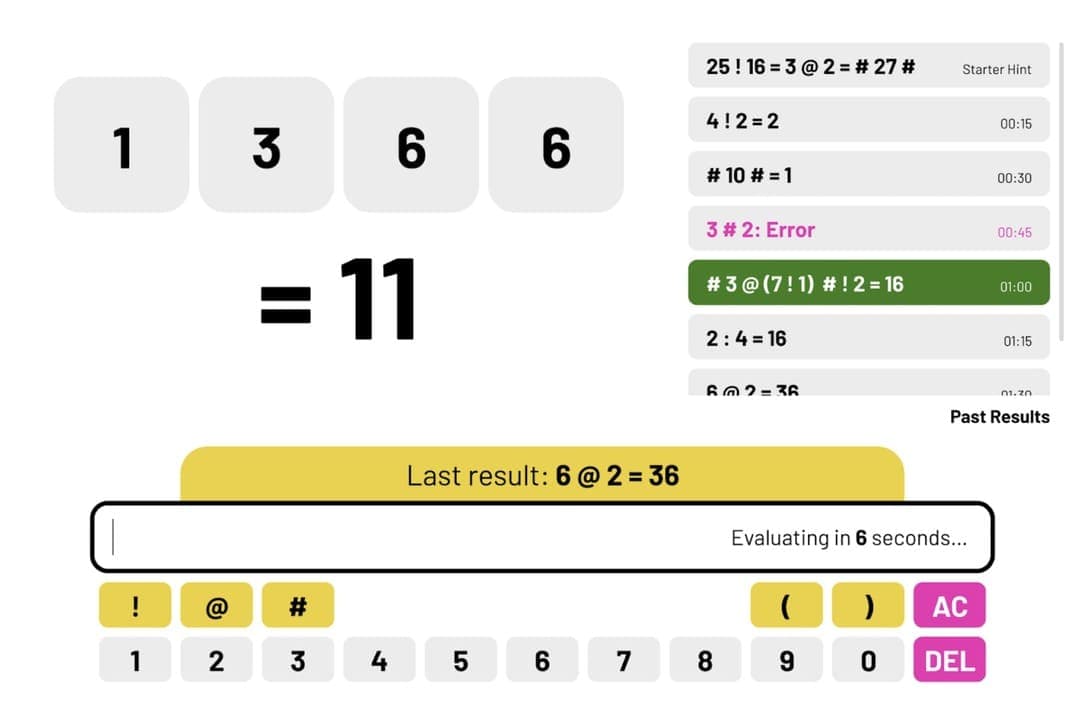
This has been a favourite round for 2 decades - it's just that the evolution of technology means we can now only play it in person. Codebreaker involves identifying patterns (functions, abstract or otherwise) to predict the next empty cell. All values in the first 2 columns are always given. From the 3rd column, you have 10-seconds to enter the missing value, after which the adjudicators mark your answer and the correct value is revealed. Higher performing participants then enter the Codebreaker Final arena on the final day, where, in front of a live audience, they sequentially give each value verbally.
Datamine
Applications team

Analyse real-world statistical data, in Application teams of 3, using spreadsheets, online tools, code, or any other tools at your disposal! Teams are provided with large statistical datasets along with a scaffolded investigation about the data. Analysis includes plotting diagrams, calculating statistical metrics, and interpreting findings in a real-world context. A written report with a detailed explanation of the solution is submitted, which will test how you communicate your thoughts. Points are awarded for the coherence, clarity, quality, and correctness of submitted responses.
Fairground
Applications team
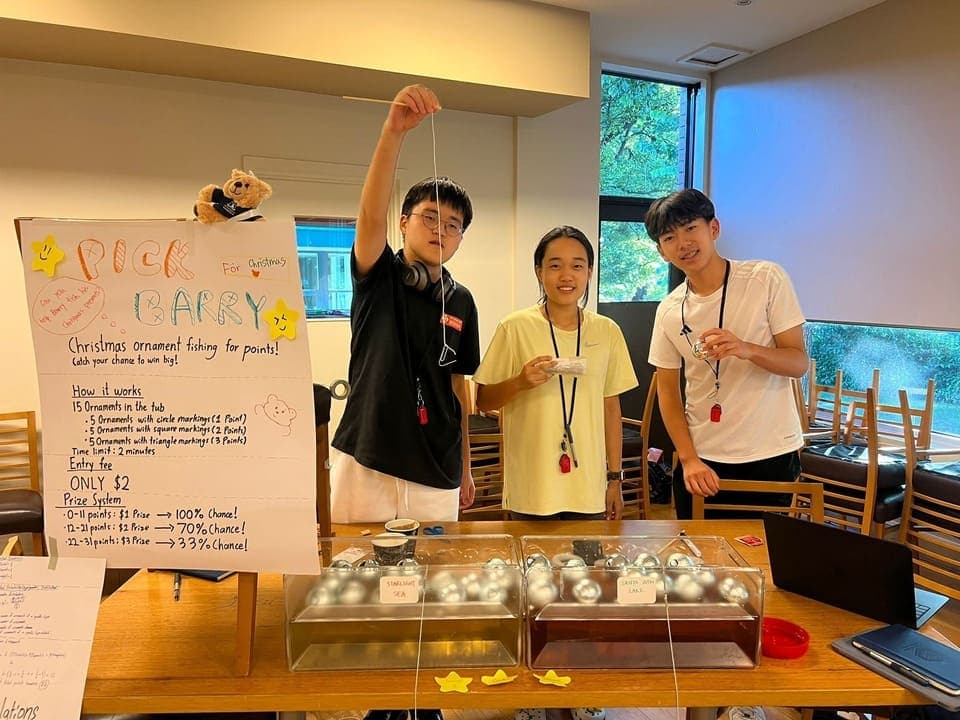
Application teams of 3 spend the week creating their own probability game, and then everyone joins the carnival fairground to play each other’s games! Initially, building materials need to be agreed with a mentor, which will then be provided, and then calculations for the expected winnings and standard deviation of your game need to be submitted. During the carnival fairground, teams that balance fun incisiveness, statistical predictability, creative design and smooth operations are usually best rewarded, not just with the mock currency but points from adjudicator mentors too!
Fermi: Open & Closed
Applications team
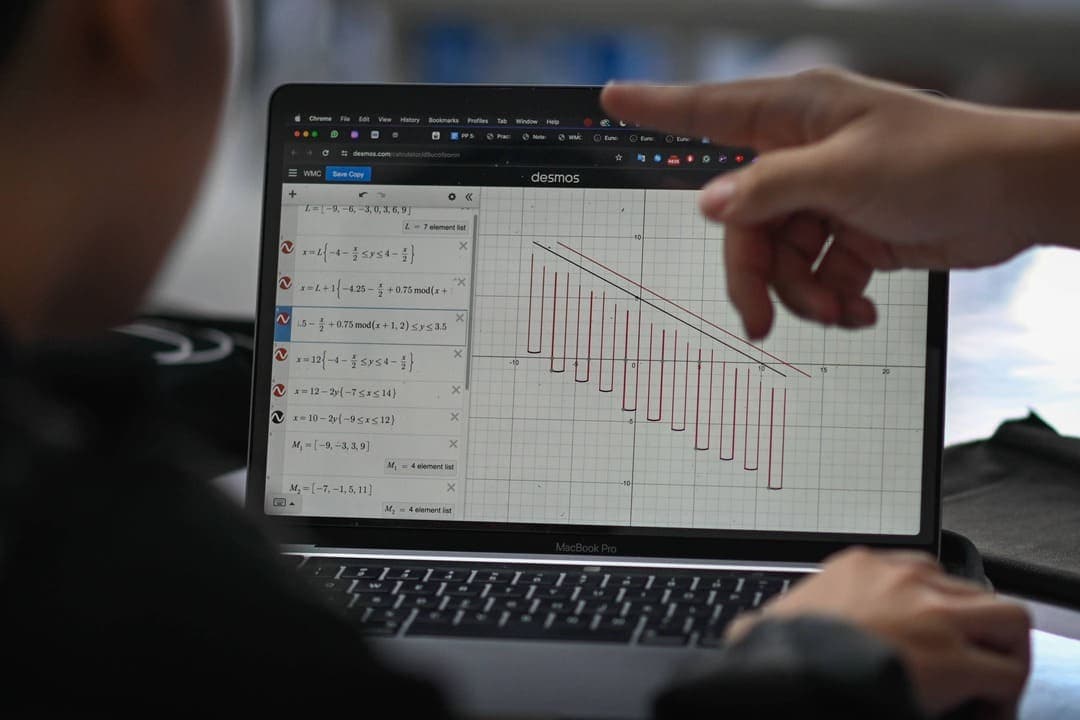
The Fermi Problems are split into 2 independent rounds.
Firstly, teams research a Fermi open-estimation problem and then create a poster articulating the thinking behind their methodology. They then debate against each other to defend and enhance their thinking.
Secondly, teams home in on Fermi closed-estimation problems. The scores from which decide the order to enter the knockout arena, where quick thinking is required to be the closest.
Logic
Pure Rigour team
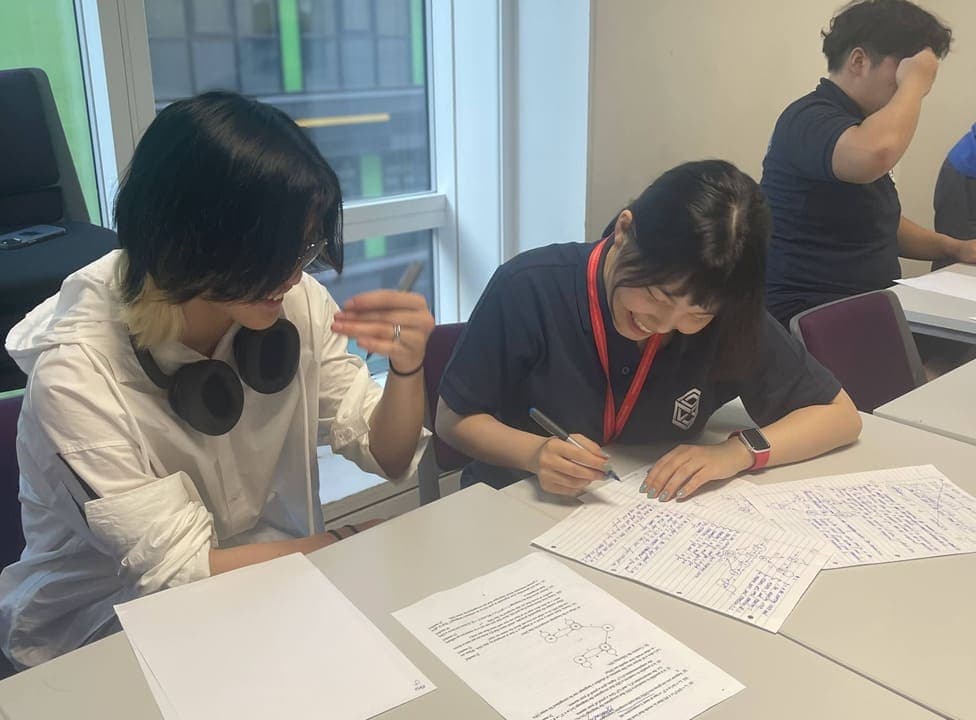
A scaffolded investigation into a pure computational mathematics concept, focusing on clear argumentation and deduction. Pure Rigour teams are sequentially guided through this new concept, developing critical reasoning through increasingly complex scenarios. Points are awarded for correct, efficient logical rigour that demonstrates deep understanding of the concept. With only 150-minutes to progress as far as you can, teams need to distribute work effectively and strike their best balance between depth and breadth of response!
Proof
Pure Rigour team
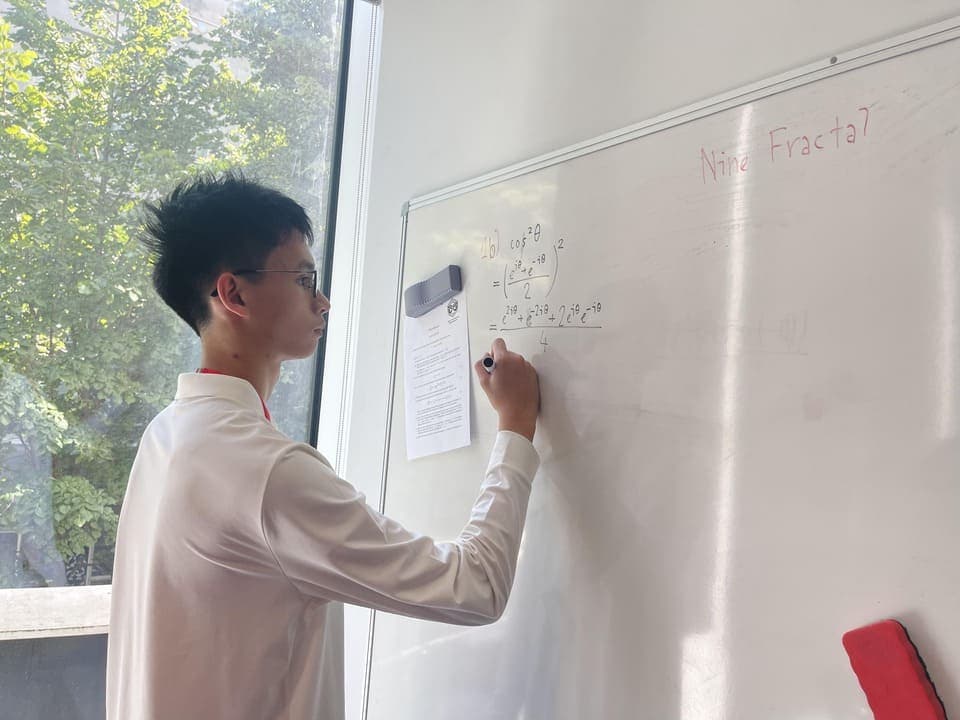
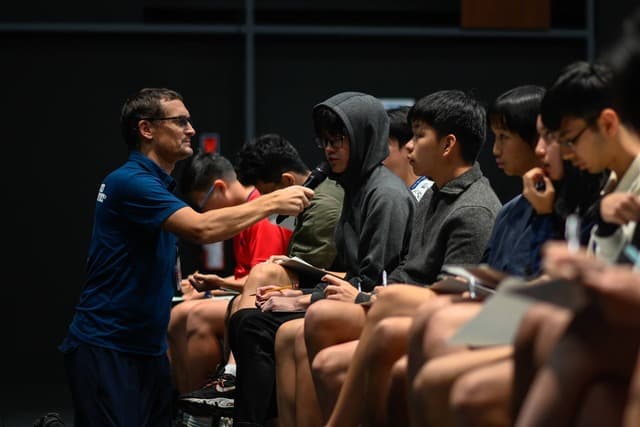
Proof is a widespread favourite round because it is the most rigorous test of pure mathematical reasoning. As the name implies, Pure Rigour teams of 3 collectively write, on white boards, mathematical (rigorous) proofs both within and outside of traditional schooling knowledge. At each team’s own request, adjudicator mentors verbally question all team members about the logical progression of the evidence provided. Points are based upon the quality of written and verbal reasoning, as well as the advice and hints provided. The round is a long and challenging, yet very rewarding process, where you can discover different ways to prove theorems we often take for granted, thus understanding them deeper.
Pursuit
Synergy team
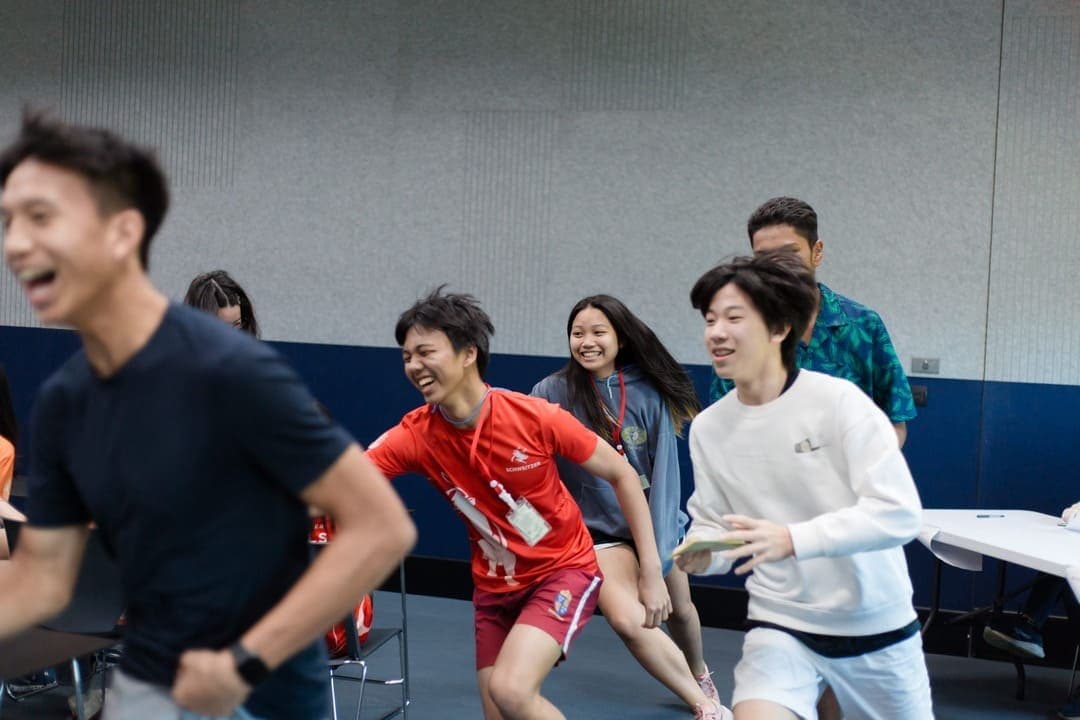
Pursuit is a test of patience, speed, and confidence. Played in Synergy teams, one member runs a full loop around the track and collects a question pack. Teams then have 60 minutes to solve 8 challenging problems. The fastest correct answers score the most points! Each answer is submitted by running around the loop and depositing the answer card in the corresponding area. Once an answer is submitted, it cannot be taken back, meaning you only have one attempt for each question! Wrong or unsubmitted answers are awarded 0 points, and correct answers are scored based on the order of submission.
No technology is permitted for this round, other than scratch paper and pen.
Shuttle
Synergy team
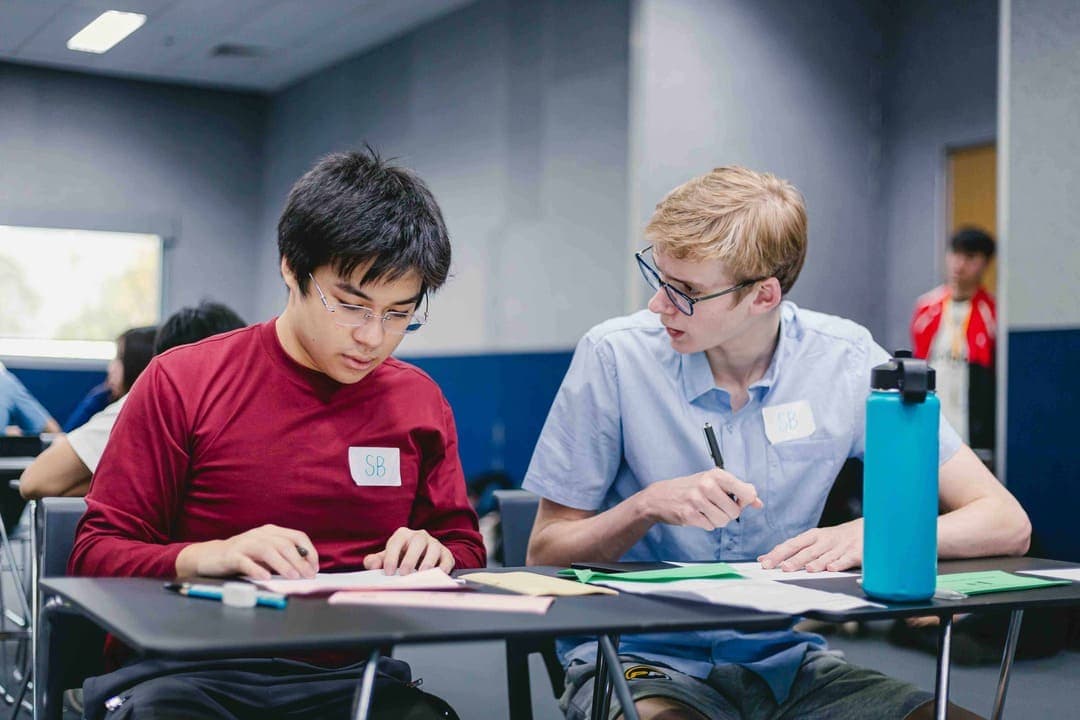
Solve a chain of 3 questions as a Synergy team, where each member's answer affects the next. Individual position A shuttles (passes backwards) their answer to position B to shuttle their answer to position C. At the 5-minute time limit, the response sheet containing all 3 answers is held in the air for collecting. Position A and C are seated together and may whisper throughout. Position B is backed onto them and must work alone. Every 4 questions, team members rotate to sit in a different position. Thinking clearly and quickly, under the pressure of being depended upon, is essential!
Classic
Personal Endeavour
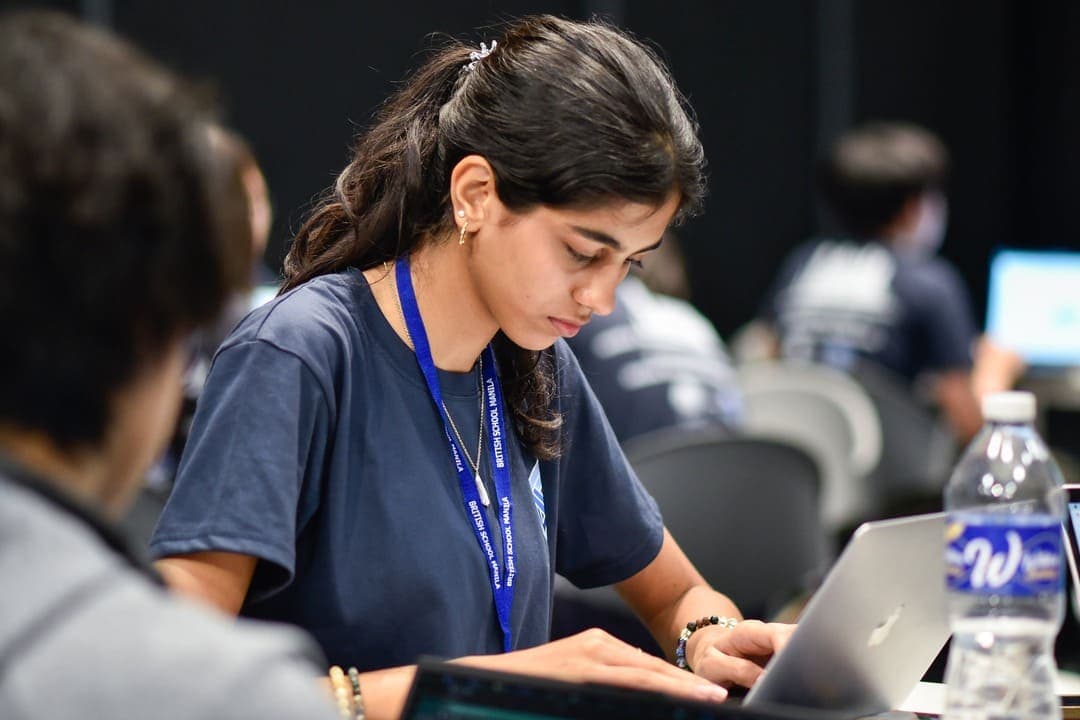
Classic, in the Finals, has topic questions grouped together into the same section of 8 questions. 4 are multi-choice response questions, where you offer a first and second choice (which can be the same choice). If the first choice is correct, 2 points are awarded and if the second choice is correct, 1 point is awarded. The other 4 questions are open responses. These need to show comprehensive workings to achieve the 5 marks each.
Crypto
Synergy team
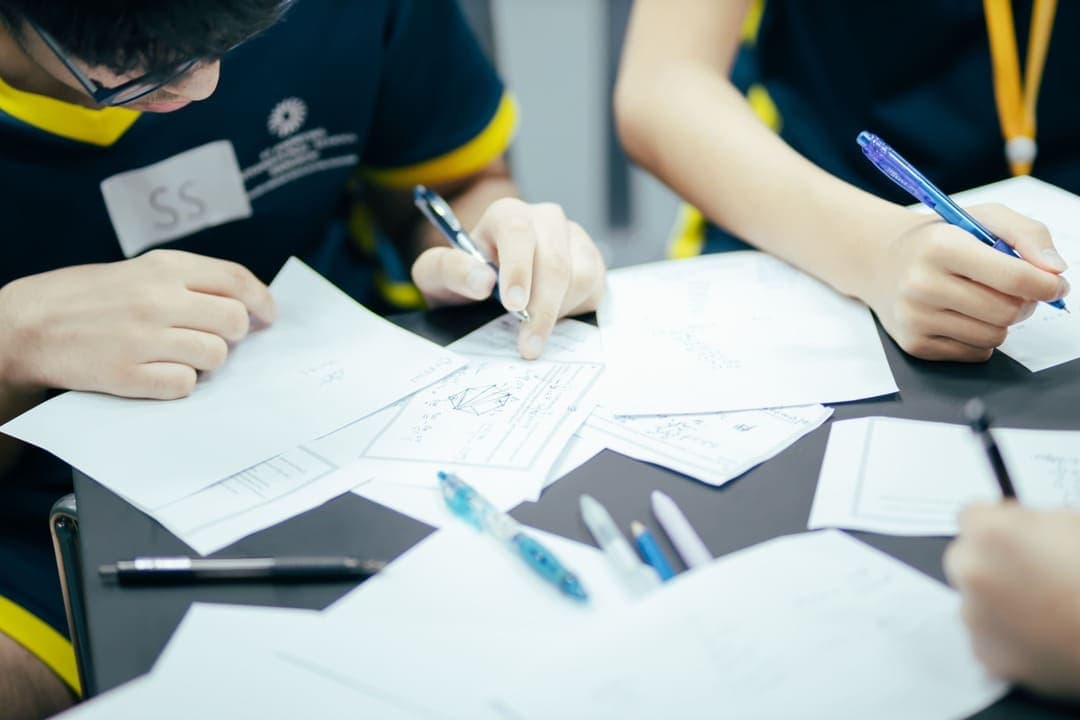
Bringing a twist in emphasis compared to the Qualifier variation, Crypto is a Crossnumber puzzle-like communication game. Each Synergy team member is given a grid with some blank spaces that are connected through operations which need to be deciphered through the help of clues from teammates. You are only allowed to talk in the designated shared space to exchange information and everyone completes the grid. Good, clear and concise communication is essential for success.
Cycle: Solve & Craft
Pure Rigour team
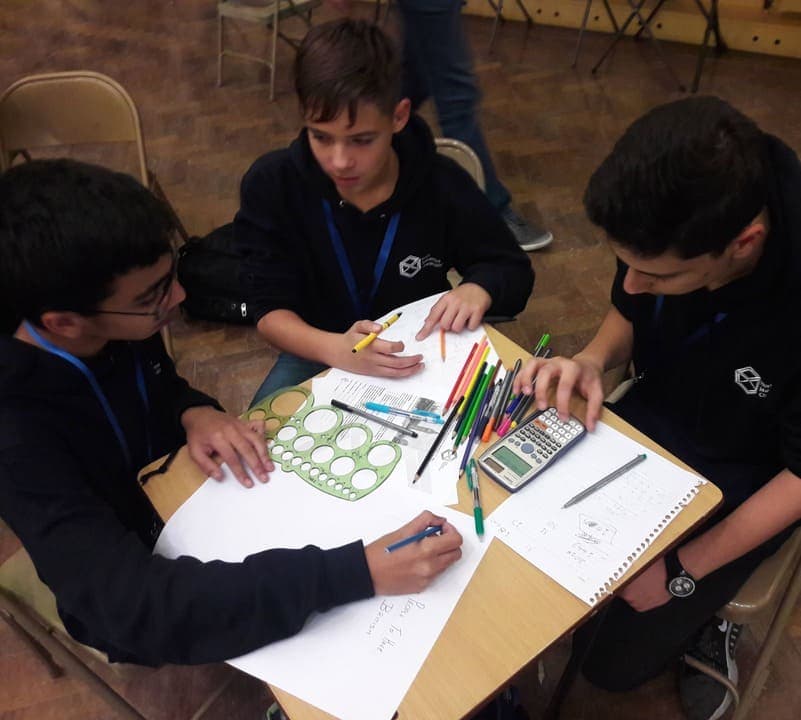
These are 2 independent rounds, the same logistics as in the qualifiers; maybe the size of the loop will be different!
Duel
Personal Endeavour
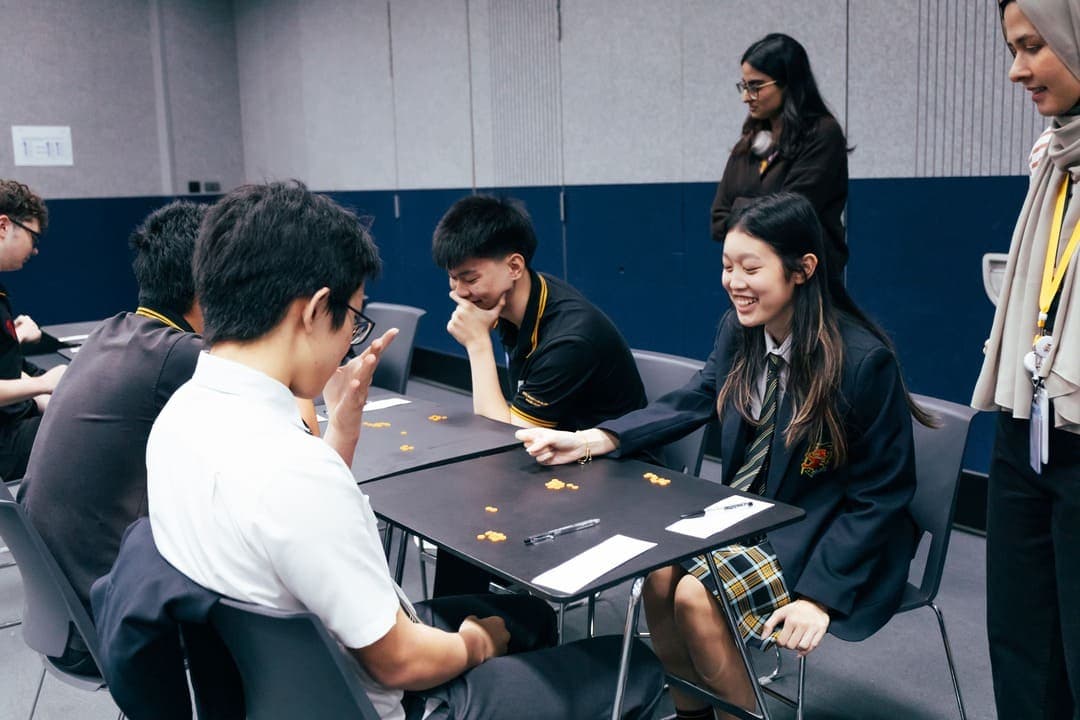
Duel in the finals is played across multiple sittings, and scoring is game-based rather than time-based as in Regional Qualifiers. This facilitates everyone to try and play with everyone else, as well as the opportunity to analyse the game and strategise for the next sitting. Note, there may be changes in the rules to make the experience even more memorable!
Lightning
Synergy team
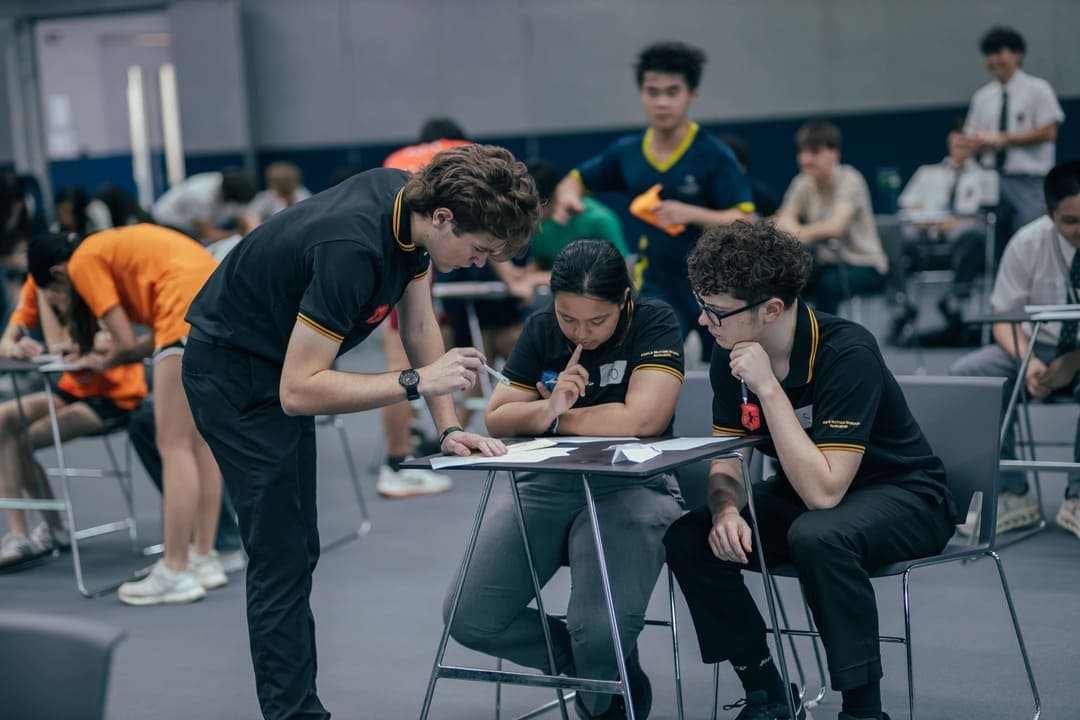
The flow of this round is the same as in the Regional Qualifier.